
Mid-Century Modern interiors are often recognised by their clean lines, low profiles, and sculptural furniture. But beneath the iconic silhouettes lies something deeper — material confidence.
Material confidence is the design philosophy that defined the Mid-Century Modern movement. Instead of hiding materials behind ornament or decoration, designers chose to celebrate the intrinsic beauty of wood, leather, glass, and metal.
This approach created interiors that feel honest, warm, and timeless — qualities that still resonate strongly in modern homes today.
What Does “Material Confidence” Mean in Design?
Material confidence is the belief that good materials do not need to be disguised.
Rather than covering surfaces with heavy finishes or elaborate detailing, Mid-Century designers allowed materials to speak for themselves. Grain patterns, natural textures, and authentic finishes became the visual language of the room.
You see this philosophy everywhere in Mid-Century interiors:
- Walnut sideboards with uninterrupted wood grain
- Solid oak dining tables with simple tapered legs
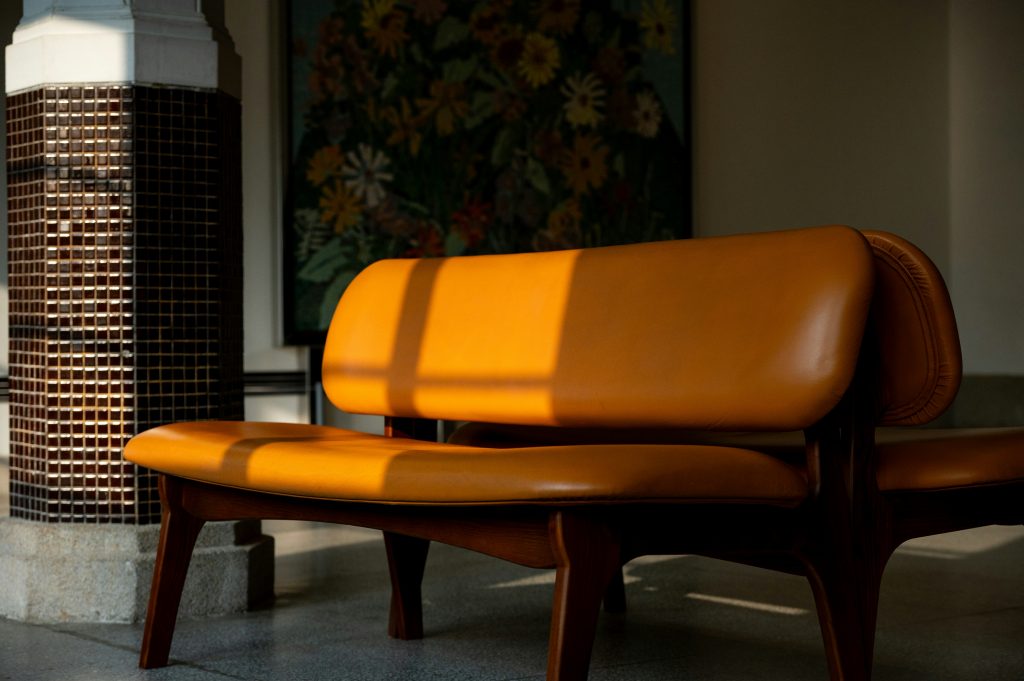
- Leather lounge chairs that age beautifully over time
- Brass lighting that develops a soft patina
The result is a design aesthetic built on clarity and authenticity rather than decoration.
Why Wood Became the Hero Material
If one material represents Mid-Century Modern interiors more than any other, it is wood — particularly walnut and teak.
These woods offered two qualities designers loved:
Warmth and character.
Walnut, with its deep chocolate tones and rich grain patterns, became synonymous with Mid-Century furniture design. Instead of staining or painting the wood, designers showcased its natural pattern through oil finishes and minimal treatments.
This is why iconic pieces like sideboards, credenzas, and dining tables often feel like sculptural objects rather than just furniture.
The grain becomes the decoration. Read more about why walnut defined Mid-Century Modern furniture here
The Balance of Natural Materials
Material confidence also meant balancing textures rather than relying on one dominant finish.
Mid-Century interiors often combined:
- Walnut or teak wood
- Leather upholstery
- Glass tabletops
- Brass or black steel accents
- Ceramic lighting
Each material plays a role without overpowering the others.
For example, a walnut sideboard might sit beneath a sculptural brass pendant light, while a ceramic lamp adds softness nearby. The room feels layered, but never cluttered.
This balance is one reason Mid-Century interiors still feel so effortlessly modern decades later.
The Beauty of Honest Construction
Another aspect of material confidence is honest craftsmanship.
Mid-Century furniture rarely hides how it is made.
You often see:
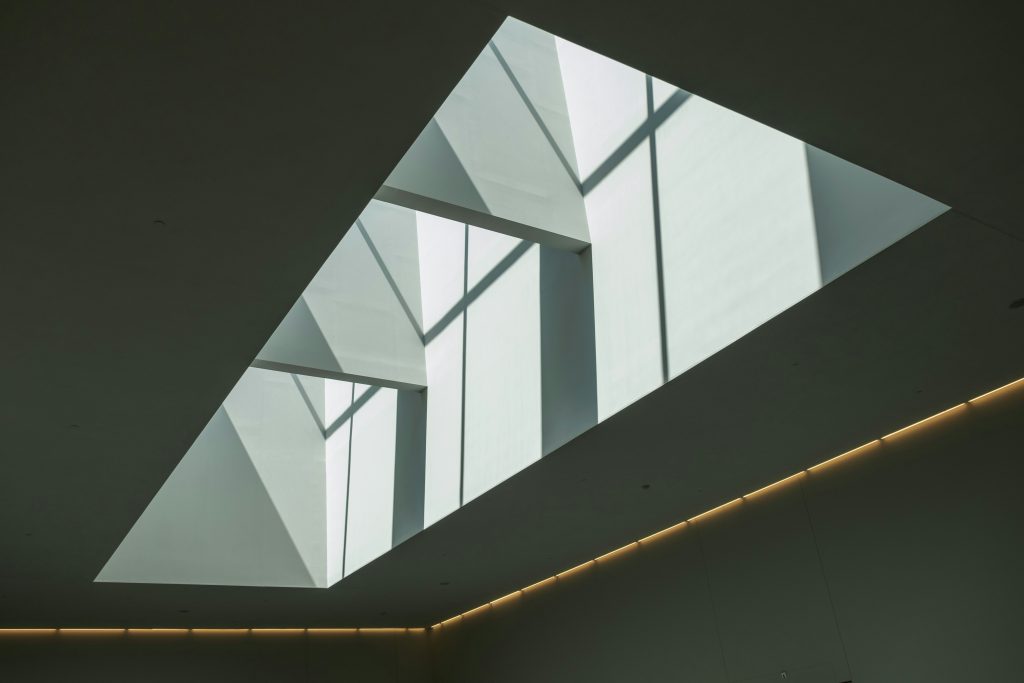
- Exposed joinery
- Visible wood grain across cabinet doors
- Thin yet strong structural frames
- Minimal hardware
These choices highlight the craftsmanship instead of concealing it.
In many ways, Mid-Century design treated furniture like architecture — every element had a clear purpose.
Why Material Confidence Still Feels Modern Today
In a world of mass-produced interiors and synthetic finishes, Mid-Century material confidence feels refreshing.
People are increasingly drawn to interiors that feel real, tactile, and enduring.
Natural materials age gracefully. Wood develops character, leather softens, and brass gains warmth. Instead of looking outdated, these materials become more beautiful over time.
This is why Mid-Century pieces often feel just as relevant in contemporary homes as they did in the 1950s and 60s.
How to Bring Material Confidence Into Your Own Home
You do not need to recreate a museum-perfect Mid-Century interior to embrace this philosophy.
Instead, focus on a few simple principles:
Choose fewer pieces, but better materials.
Look for furniture that highlights natural finishes — walnut tables, oak cabinets, leather chairs, or ceramic lighting.
Let the material be the decoration.
Avoid covering beautiful surfaces with excessive styling. A well-crafted sideboard or dining table should be allowed to stand on its own.
Mix materials thoughtfully.
Combine wood with metal, glass, and textiles to create balance and contrast.
When done well, this approach creates interiors that feel calm, grounded, and timeless.
The Enduring Lesson of Mid-Century Design
Material confidence is one of the reasons Mid-Century Modern design continues to inspire architects, furniture makers, and interior designers today.
It reminds us that great design does not rely on excess.
Sometimes the most powerful interiors are the simplest ones — where beautiful materials, thoughtful craftsmanship, and clean forms are allowed to speak for themselves.