
Mid-century modern architecture transformed how people thought about homes, materials and everyday living. Emerging between the 1940s and 1960s, this design movement embraced simplicity, functionality and a strong connection between indoor and outdoor spaces.
Architects working during this period rejected traditional ornamentation in favour of clean lines, natural materials and open layouts. Their work not only defined the visual language of mid-century design but continues to influence contemporary architecture today.
Here are some of the most influential architects who shaped the mid-century modern movement.
Many of these architects helped establish the principles that still define the movement today, including clean lines, natural materials and functional layouts. These ideas are explored further in our guide to what defines mid-century modern design.
Richard Neutra
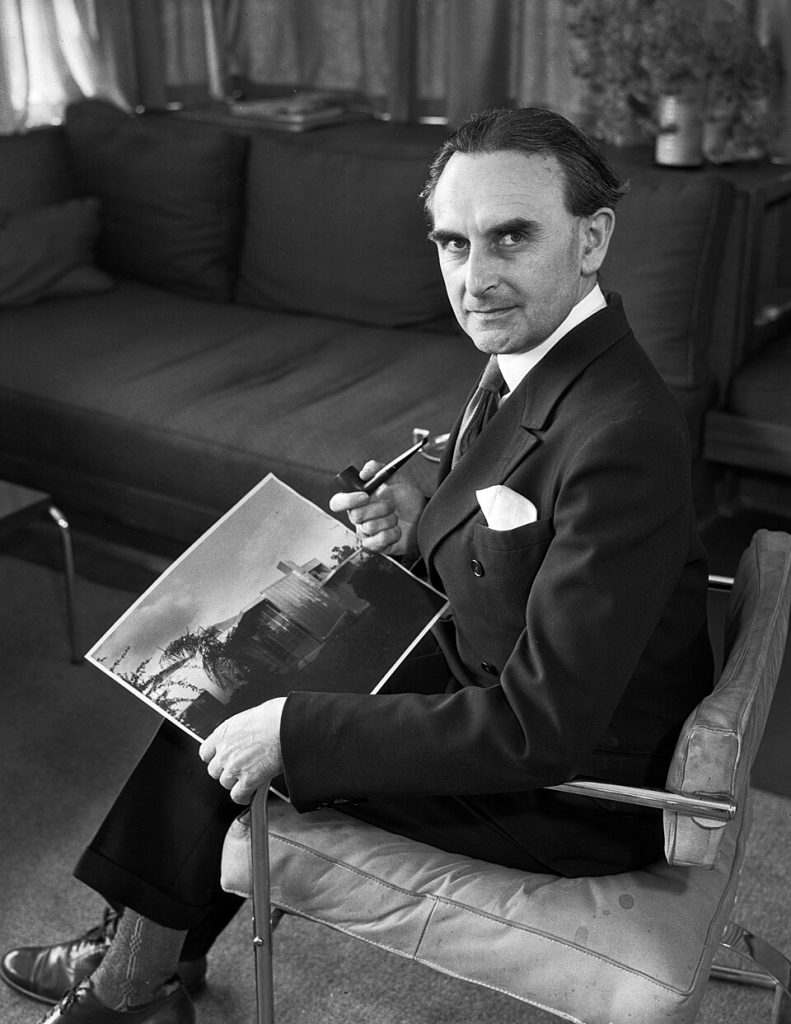
Richard Neutra was one of the most important architects of the mid-century modern movement, particularly in California. Originally from Austria and trained in the European modernist tradition, Neutra brought a strong emphasis on human-centered design and the relationship between architecture and nature.
His houses often featured large glass walls, flat roofs and open floor plans that allowed natural light to fill interior spaces.
One of his most famous projects, the Kaufmann Desert House (1946) in Palm Springs, perfectly illustrates mid-century ideals: minimal structure, strong horizontal lines and a seamless connection to the surrounding landscape.
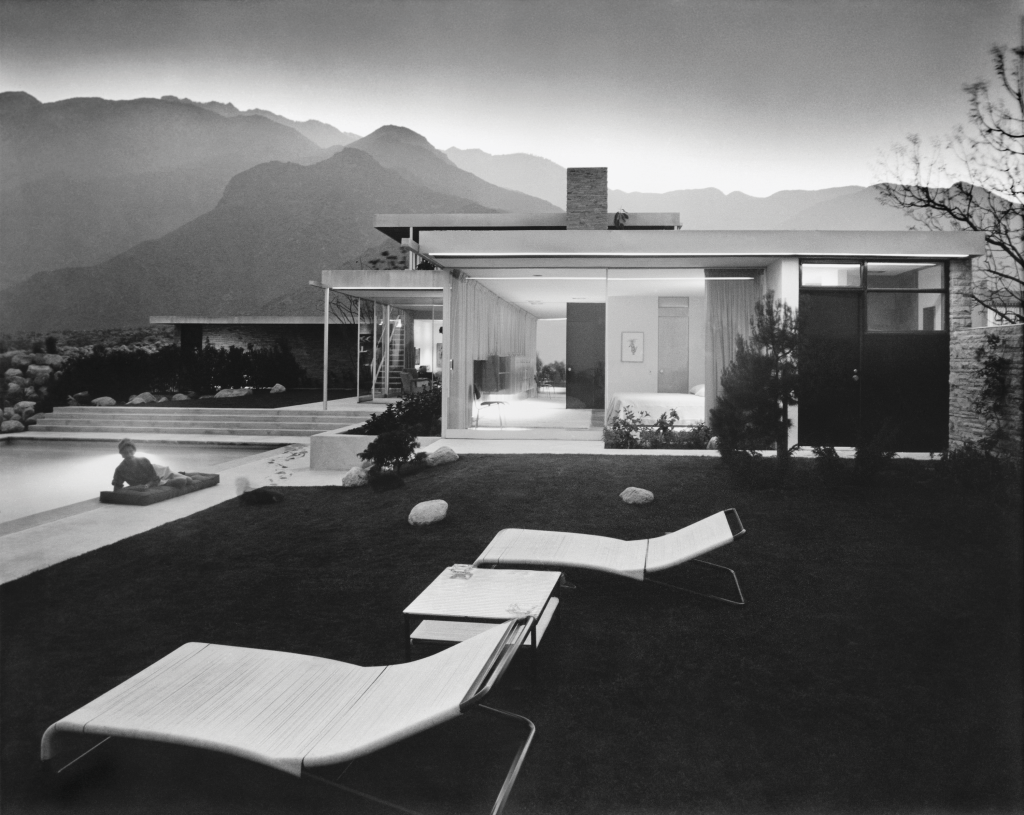
Neutra believed architecture should enhance well-being, which is why many of his homes feel calm, balanced and timeless.
Charles and Ray Eames
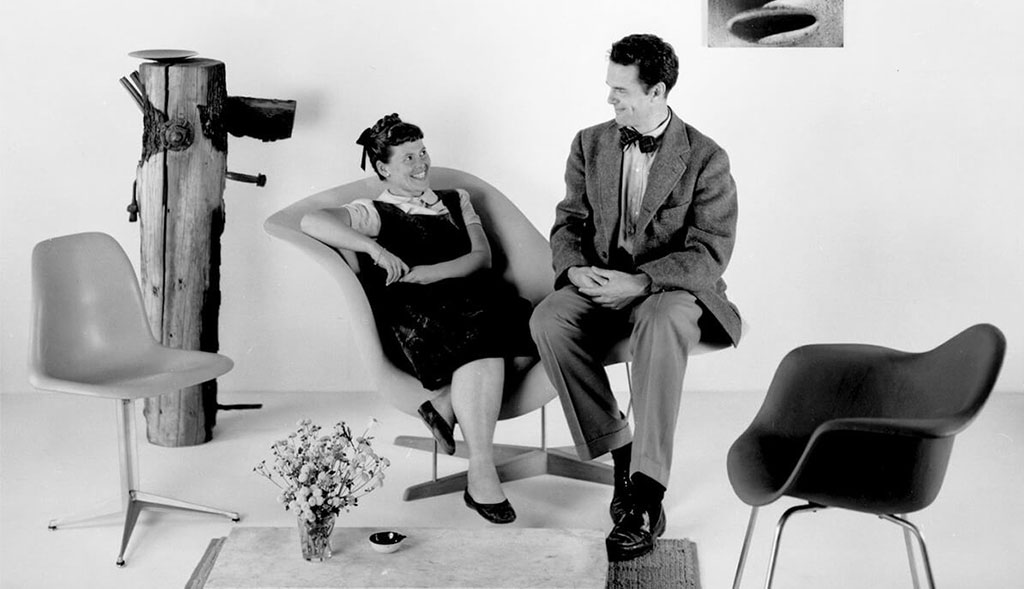
While Charles and Ray Eames are best known for their iconic furniture, they also made a significant contribution to mid-century architecture.
Their most famous architectural project, the Eames House (Case Study House No. 8) in Los Angeles, became a landmark of modern residential design. Built in 1949 as part of the Case Study Houses program, the home demonstrated how industrial materials like steel and glass could create affordable, functional modern housing.
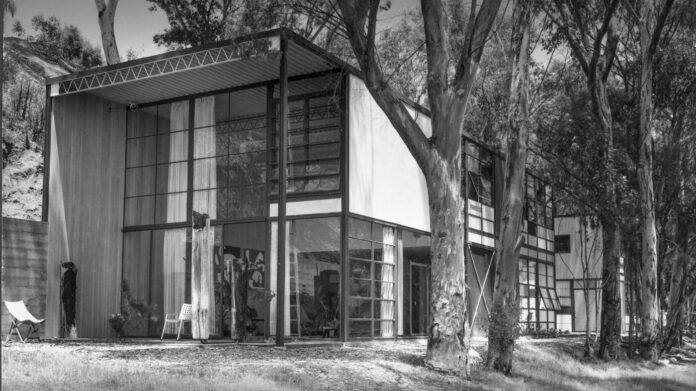
The Eames House reflects many mid-century principles:
• modular construction
• open living spaces
• integration with nature
• minimalist design
Their work helped popularize modern design for everyday homes.
Ludwig Mies van der Rohe

Ludwig Mies van der Rohe was one of the leading figures of modernist architecture and a key influence on mid-century design. Famous for his phrase “less is more,” Mies believed architecture should be reduced to its essential form.
His work emphasized clarity, proportion and structural honesty.
One of his most celebrated projects is the Farnsworth House (1951) in Illinois. The house is a minimalist glass pavilion elevated above the ground, demonstrating how structure and simplicity can create extraordinary architectural beauty.
Mies’s work helped define the modernist principles that influenced many mid-century architects.
Eero Saarinen
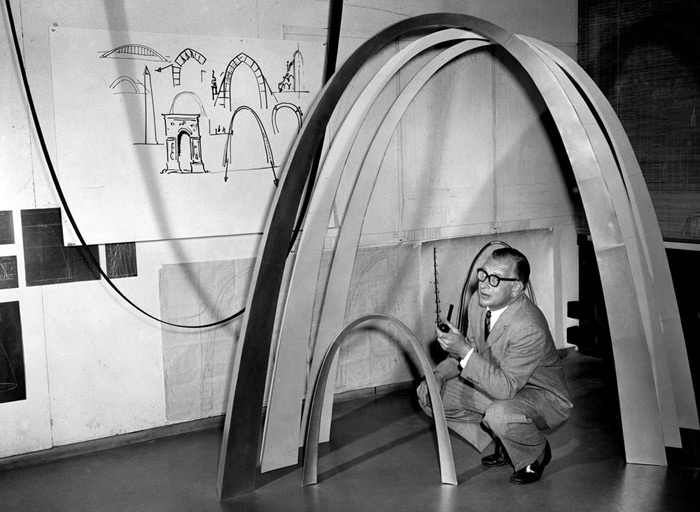
Eero Saarinen brought a sculptural and experimental approach to modern architecture. While many mid-century architects focused on strict geometry, Saarinen explored more expressive forms.
Some of his most famous works include:
• The TWA Flight Center at JFK Airport
• The Gateway Arch in St. Louis
• General Motors Technical Center
Saarinen also designed iconic furniture pieces such as the Tulip chair, which reflects his interest in eliminating visual clutter and creating elegant, organic shapes.
His work expanded the possibilities of modern architecture while still maintaining the clarity of mid-century design.
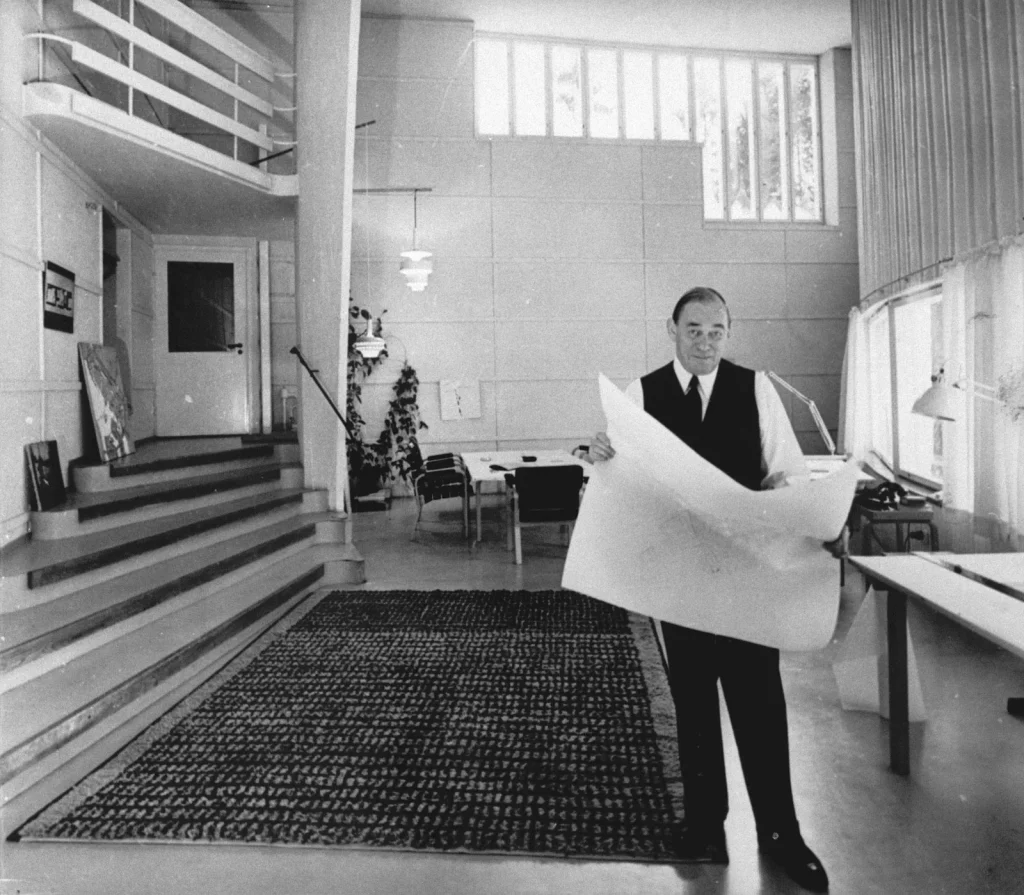
Finnish architect Alvar Aalto introduced a softer, more organic interpretation of modernism. Unlike the rigid geometry of some modernist architecture, Aalto’s designs incorporated natural materials, curves and human scale.
His architecture often combined modern design with traditional craftsmanship, creating buildings that felt warm and welcoming rather than purely industrial.
Aalto’s influence can be seen in the use of:
• natural wood
• curved forms
• human-centered design
These ideas helped shape the more organic side of mid-century modern interiors and furniture.
The Legacy of Mid-Century Modern Architecture
The architects of the mid-century period transformed architecture by emphasizing simplicity, functionality and the beauty of materials. Their designs rejected unnecessary decoration and instead focused on creating spaces that improved everyday life.
Today, the principles developed by these architects continue to influence architecture, furniture design and interior styling.
Large windows, open floor plans and natural materials remain hallmarks of homes inspired by mid-century modern design.
The homes created during this period continue to inspire contemporary architecture, particularly through open floor plans and strong connections to nature. We explore this lasting impact in our article on why mid-century modern architecture still feels iconic.
Exploring Mid-Century Design Further
If you’re interested in the ideas that shaped mid-century architecture, you may also enjoy reading our guides to Bauhaus vs Mid-Century Modern design and why mid-century modern architecture still feels iconic, where we explore the philosophical and historical influences behind this timeless design movement.
You can also explore the colours that defined the era in our article on mid-century modern colour palettes.