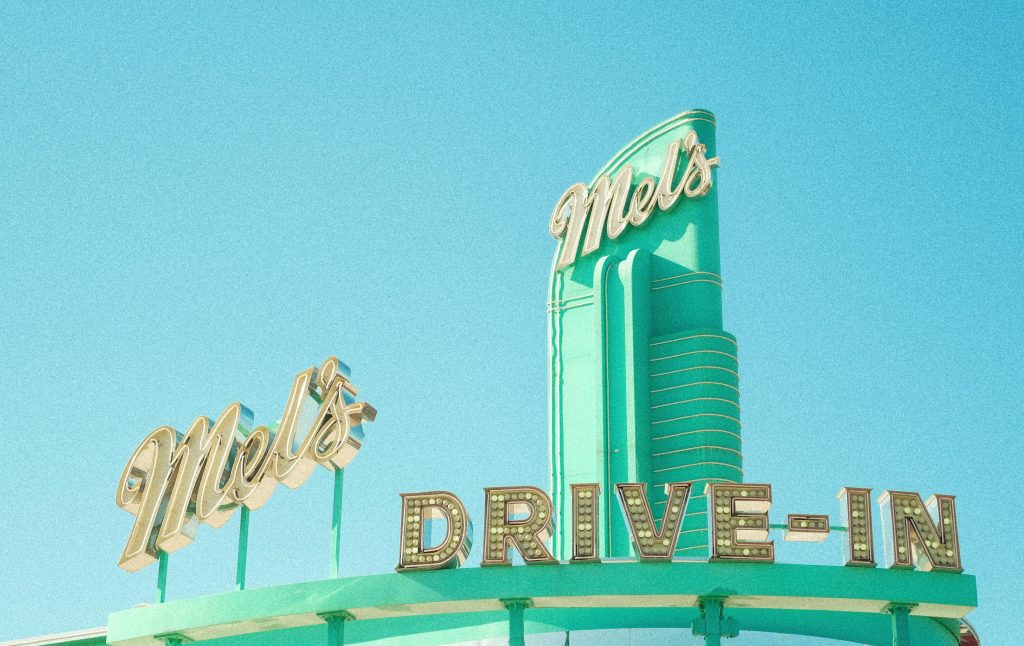
While many people associate mid-century modern design with warm earth tones like burnt orange, mustard and walnut brown, earlier mid-century interiors often featured a softer palette of pastel colours. These gentle tones were particularly popular during the 1950s and helped create interiors that felt optimistic, modern and light.
Pastels were widely used in kitchens, bathrooms and furniture upholstery, bringing a playful and fresh atmosphere to mid-century homes.

The Origins of Pastel Colours in Mid-Century Design
After the Second World War, design culture shifted toward optimism and new beginnings. Homes built during the 1950s embraced lighter colours that reflected this hopeful mood.
Pastel shades such as mint green, soft pink, powder blue and butter yellow became common in interiors and household appliances. These colours appeared in kitchen cabinets, tiled bathrooms and decorative accessories.
Unlike the darker earth tones that became popular later in the 1960s and 1970s, pastel colours created interiors that felt bright, airy and modern.
Popular Mid-Century Pastel Colours
Several pastel shades became closely associated with mid-century interiors.
Mint Green
One of the most iconic colours of the era, mint green was frequently used in kitchens, refrigerators and bathroom tiles. It paired beautifully with white surfaces and chrome fixtures.
Powder Blue
Soft blue tones introduced calm and freshness into mid-century spaces. Powder blue was commonly used for walls, textiles and cabinetry.
Blush Pink
Blush pink interiors were particularly popular in bathrooms and decorative accents. When combined with white tiles and chrome details, the result was both elegant and playful.
Butter Yellow
This warm pastel yellow brought brightness to kitchens and dining areas while still maintaining the softness characteristic of pastel palettes.
How Pastels Worked with Mid-Century Materials
Pastel colours were often paired with materials that reflected the modern design language of the time.
Common combinations included:
• pastel cabinets with chrome hardware
• powder blue walls with walnut furniture
• mint tiles with white countertops
• blush textiles with light wood furniture
These pairings created interiors that balanced colour with modern materials such as steel, glass and wood.
Pastels and Mid-Century Kitchens
Kitchens became one of the most expressive spaces for pastel colours. During the 1950s it was common to see entire kitchen suites in pastel tones, including refrigerators, ovens and cabinets. Explore more at our post about Mid-Century Modern Kitchens
Mint green appliances, butter yellow cabinetry and powder blue walls created spaces that felt cheerful yet modern.
These palettes still inspire contemporary kitchens that reinterpret mid-century aesthetics with updated materials and layouts.
The Return of Pastel Mid-Century Interiors
Today, pastel colours are once again appearing in modern interiors. Designers often combine pastel tones with walnut furniture, terrazzo surfaces and minimalist lighting to create spaces that feel both nostalgic and contemporary.
When used carefully, pastel palettes bring softness and light to interiors while maintaining the clean lines and functional design associated with mid-century modern style.
Exploring Mid-Century Colour Palettes
Pastel colours represent just one part of the broader mid-century palette. Later interiors introduced richer earth tones such as terracotta, mustard and deep browns.
If you’re interested in exploring the full range of colours used during the era, you can also read our guide to Mid-Century Modern Colour Palettes, which explores the tones that defined interiors from the 1950s through the 1970s.