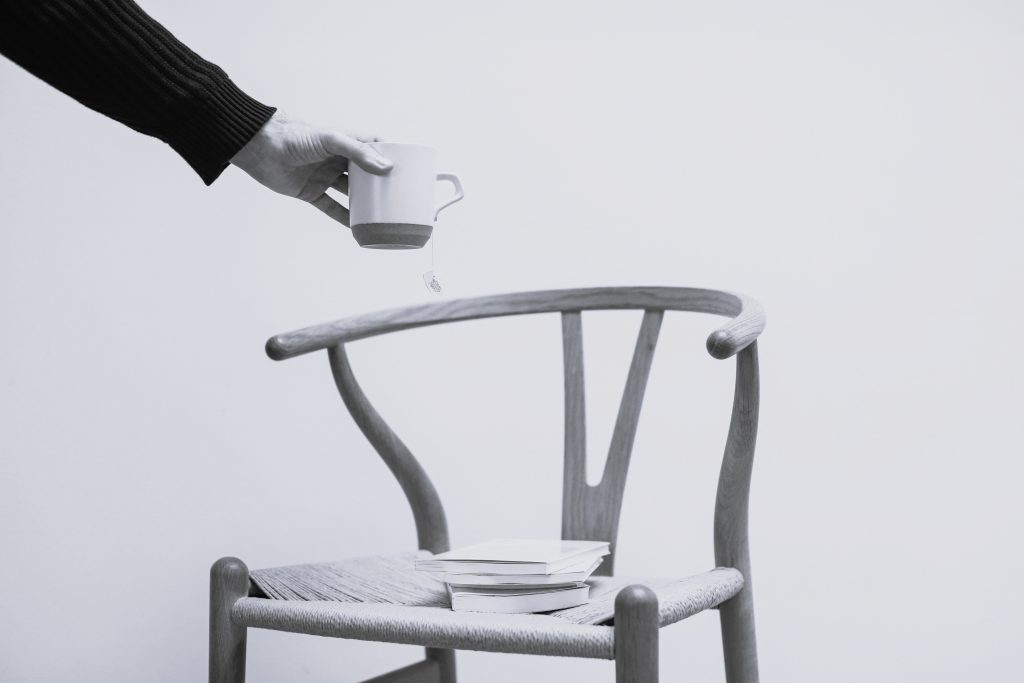
Few pieces capture the elegance of Danish modernism as effortlessly as the Wishbone Chair. Designed in 1949 by Hans J. Wegner, this chair remains one of the most recognisable and widely used designs in mid-century modern interiors.
Also known as the CH24, the Wishbone Chair reflects Wegner’s belief that furniture should be both functional and beautifully crafted. Its organic form, natural materials and refined proportions make it a timeless piece that continues to fit seamlessly into modern homes.
A Chair Rooted in Craftsmanship
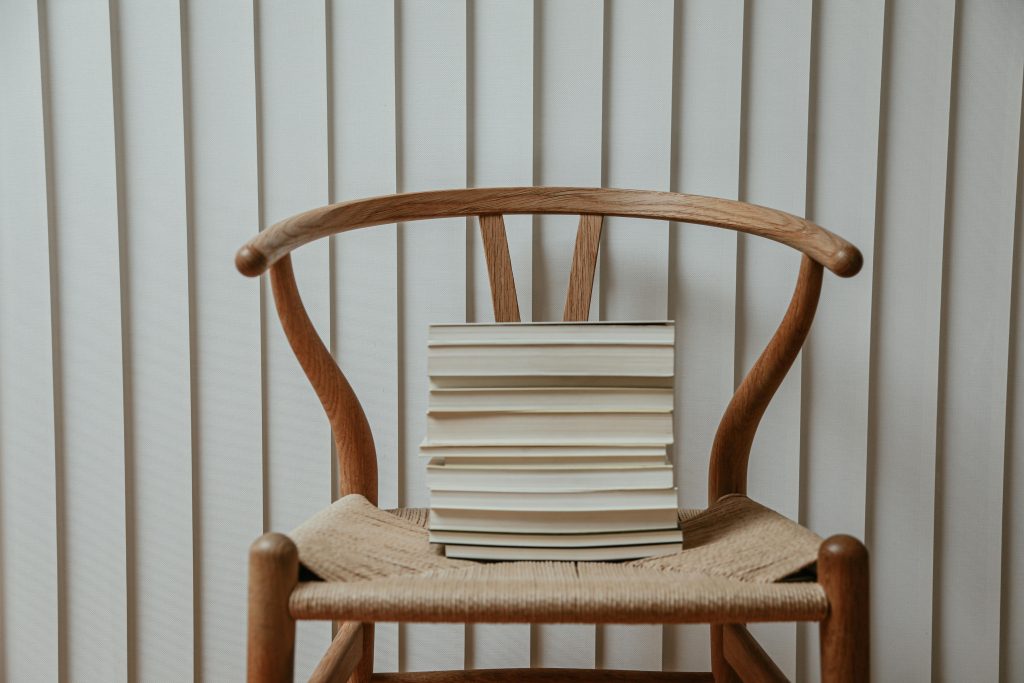
Unlike many industrial modernist designs, the Wishbone Chair celebrates traditional craftsmanship. Each chair features a hand-woven paper cord seat that takes hours to complete, paired with a carefully shaped wooden frame.
The curved backrest and distinctive Y-shaped support give the chair both its name and its structural integrity. Every detail is designed with purpose, reflecting the balance between simplicity and comfort that defines mid-century design.
Natural Materials and Organic Form
The Wishbone Chair embodies one of the core principles of mid-century modern interiors: material honesty.
Made from natural woods such as oak, beech or walnut, the chair highlights the beauty of the material rather than concealing it. Its light structure and open form make it ideal for creating interiors that feel calm, airy and uncluttered.
These qualities align closely with the ideas explored in What Defines Mid-Century Modern Design?, where simplicity and function play a central role.
Scandinavian Influence on Mid-Century Design
While American mid-century design often embraced bold materials and colours, Scandinavian designers like Wegner introduced a softer, more human-centred approach.
This influence can be seen in:
• organic curves instead of strict geometry
• lighter wood tones
• emphasis on comfort and usability
This approach complements the architectural clarity discussed in Why Mid-Century Modern Architecture Still Feels Iconic, where space, light and
proportion are key.
Why the Wishbone Chair Still Feels Modern
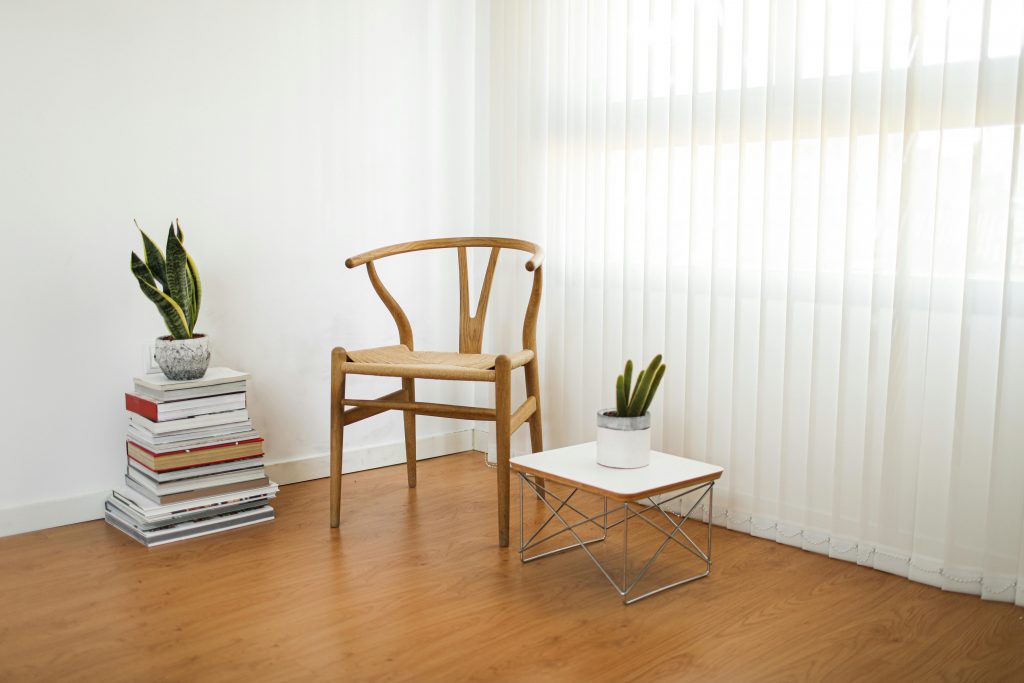
More than 70 years after its creation, the Wishbone Chair remains relevant because it avoids trends. Its simplicity allows it to adapt to different interiors, from traditional dining rooms to contemporary open-plan spaces.
It works particularly well when paired with:
• wooden dining tables
• neutral colour palettes
• soft natural light
These combinations echo the tones explored in Mid-Century Modern Colour Palettes, where warmth and balance define the space.
Final Thoughts
While the Wishbone Chair represents Danish craftsmanship, other iconic pieces such as the Eames Lounge Chair explored comfort through molded plywood and leather. The Wishbone Chair is a perfect example of how mid-century design can feel both timeless and contemporary. Through its craftsmanship, material honesty and refined simplicity, it continues to represent the best of Danish modern design.