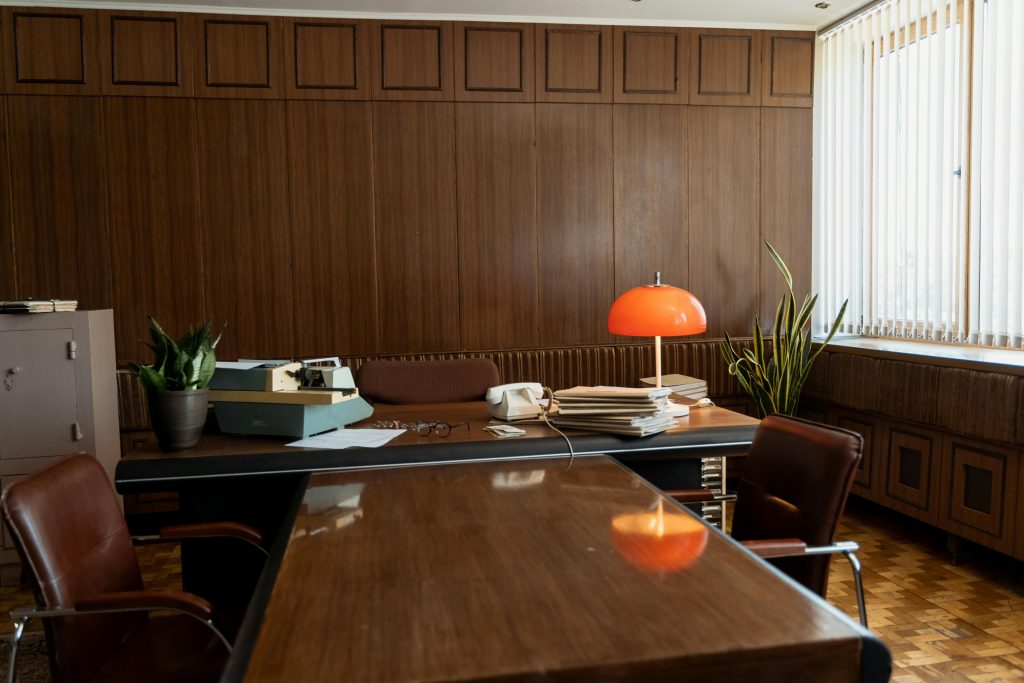
Among the many materials associated with Mid-Century Modern interiors, walnut stands out as the most iconic. Its deep colour, elegant grain patterns and natural warmth made it the preferred choice for furniture designers throughout the 1950s and 1960s.
At a time when modernist designers were searching for ways to create interiors that felt both functional and human, walnut offered the perfect balance between structure and warmth.
Unlike lighter woods, walnut brings a richness that instantly grounds a space. Its tones range from chocolate brown to warm caramel, allowing furniture to feel substantial without appearing heavy.
The Appeal of Walnut Grain
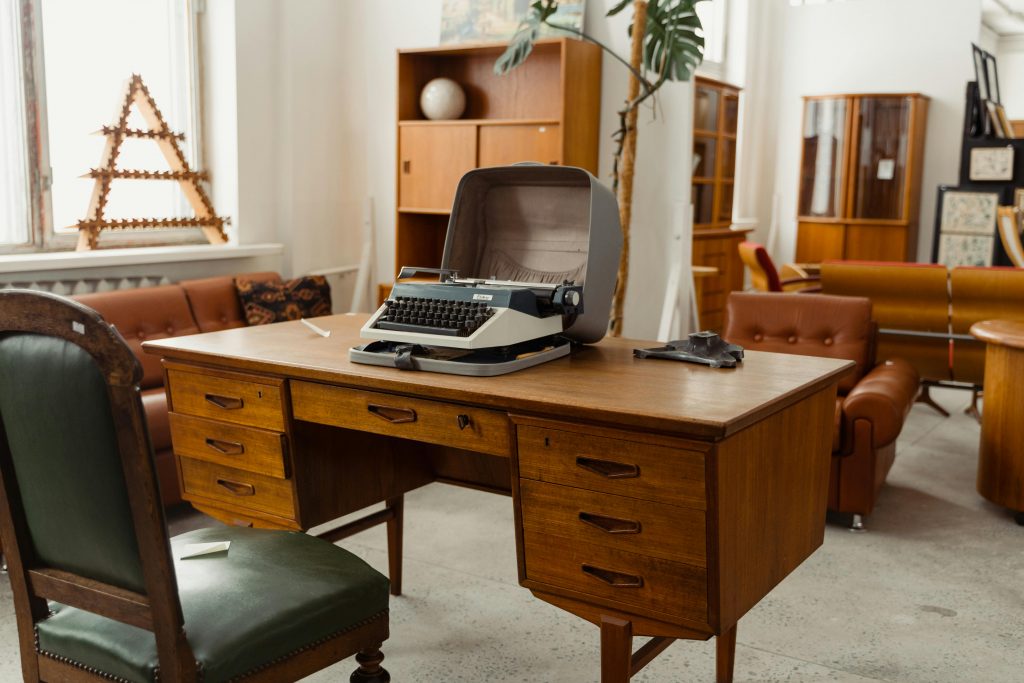
One of the defining features of walnut furniture is its distinctive grain pattern. Mid-Century designers often used large uninterrupted surfaces to showcase this natural texture.
Sideboards, credenzas and dining tables were designed with wide panels of walnut veneer, allowing the grain to flow continuously across doors and drawers.
This approach turned furniture into something more than functional objects — they became sculptural elements within the room.
This celebration of wood grain perfectly reflects the idea of material confidence in Mid-Century Modern design, where natural materials like walnut were intentionally highlighted rather than concealed.
Walnut and Mid-Century Craftsmanship
Another reason walnut became so popular was its versatility. The wood is durable yet workable, allowing designers to create elegant shapes, tapered legs and refined edges.
Many classic pieces feature:
- Slim frames
- Seamless joinery
- Low profiles
- Long horizontal lines
These characteristics helped define the visual language of Mid-Century Modern furniture.
Walnut became especially popular in large storage pieces, and its rich tones are one reason behind the enduring appeal of Mid-Century Modern sideboards, which remain some of the most sought-after pieces of vintage furniture today.
Decorating With Walnut Today
Walnut furniture remains incredibly relevant in contemporary interiors.
A walnut sideboard or dining table can anchor a space while pairing beautifully with other materials such as brass lighting, leather seating or glass coffee tables.
Instead of overwhelming a room, walnut introduces warmth and texture, creating interiors that feel calm and balanced.
For this reason, walnut continues to be one of the most enduring materials in modern interior design.
Understanding the role of walnut helps explain what defines Mid-Century Modern https://thewalnuttheory.com/what-defines-mid-century-modern-design/design, where simplicity, craftsmanship and natural materials come together to create timeless interiors.